On the Oregon Coast, the orientation of your home shapes daily life more than most buyers realize. Southern exposure is one of the most underrated features a coastal property can have, and once you understand why, it's hard to unsee it on every home tour.
How Light Moves Differently Here
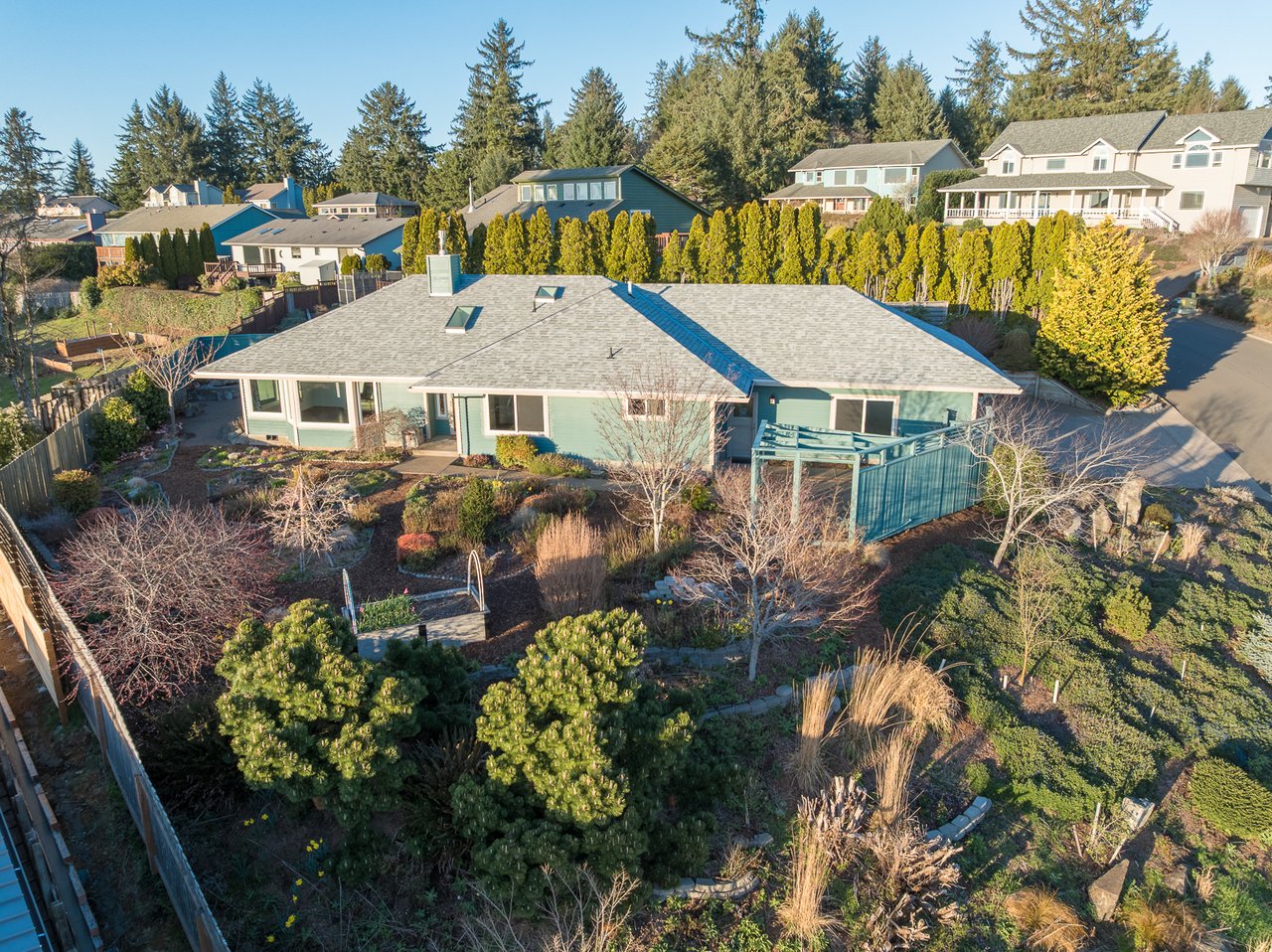
Newport sits at the heart of the central Oregon Coast, and its neighborhoods each interact with that light differently depending on elevation, orientation, and proximity to the shore. The neighborhoods perched on the hillsides above Yaquina Bay tend to catch the best of the southern and western exposure. A home positioned well in these areas will track the sun across its living spaces from morning coffee to evening wind-down, with light moving through the rooms like a slow, natural clock.
On overcast days, and the Oregon Coast has its share, a southern-exposure home still gathers more ambient light than any other orientation. It sits differently in the landscape. It feels different to inhabit.
Why It Matters More Here Than Almost Anywhere
Part of what makes orientation matter so much on the coast is our climate itself. Newport is genuinely a year-round community, home to the Oregon Coast Aquarium and the Hatfield Marine Science Center, operated by Oregon State University, and the working waterfront that keeps the Bayfront alive twelve months a year. But that same maritime climate means gray skies, fog, and rain are part of daily life for a good stretch of the year.
A home with strong southern exposure works with that climate instead of against it. In winter, low-angle sun reaches deep into south-facing rooms, warming spaces naturally and cutting down on how gloomy a rainy stretch can feel indoors. In summer, that same orientation keeps homes bright without the harsh overhead glare of a west-facing exposure late in the day. It is a small architectural detail with an outsized effect on how a home actually feels to live in, month after month.
What to Look For When Touring Homes
Southern exposure isn't always obvious from listing photos alone, and it's easy to overlook if you're focused on square footage, finishes, or view quality. A few things worth asking about or checking yourself when touring:
- Which direction the main living spaces and primary bedroom face
- Whether tall trees, hillsides, or neighboring structures block southern light for part of the day
- How the home feels at different times of day, if possible, tour at both morning and afternoon
- Whether window placement and size take advantage of the exposure, or work against it
A home can have wonderful bones and still feel dim and cold if it's oriented away from the sun. Conversely, a more modest home with the right orientation can feel warm and alive in a way that's hard to replicate with any amount of renovation.
A Detail Worth Prioritizing
The Historic Bayfront is a living, breathing neighborhood of canneries turned restaurants, galleries, and shops, with Mo's Seafood, a Newport institution since 1946, drawing locals and visitors in equal measure. North of downtown, the Nye Beach neighborhood offers a different kind of coastal character: art galleries, a repertory theatre, independent coffee shops, and a stretch of beach that locals treat as their own living room. In summer, Newport's seven-plus miles of accessible coastline host kite festivals and sand castle competitions. In fall and winter, the gray whale migration brings an entirely different form of drama, pods moving steadily southward, visible from the headlands with patience and binoculars.
Wherever you land in Newport, orientation is worth weighing seriously alongside the more obvious factors like price, view, and layout. It's the kind of detail that doesn't show up in a listing headline but shapes how a home actually lives day to day, in every season the coast throws at it.
If you're house hunting on the Oregon Coast and want help evaluating a property's orientation and light before you make an offer, I'm happy to walk through it with you.
Looking for a home that works with the coast, not against it?
Reach out anytime to talk through what's currently available in Newport and the surrounding communities.
Audra Powell, Principal Broker Premiere Property Group, LLC 306 E. Olive St., Newport, OR 97365 (541) 270-3909 audrascoasthomes.com
Audra Powell is a Principal Broker with Premiere Property Group, LLC, specializing in oceanfront, waterfront, and luxury coastal properties throughout Lincoln County. With 20+ years of experience in the coastal Oregon market, Audra holds CRS, GRI, PSA, and CLHMS Guild Member designations.