What does it really feel like to live where the surf sets the pace of the day? In Otter Rock, that question is not just about beach access. It is about morning light over the water, quick walks to watch the swell, and a daily routine shaped by cliffs, tidepools, and changing ocean conditions. If you are considering a home here, understanding the lifestyle matters just as much as understanding the property. Let’s dive in.
Why Otter Rock Feels Different
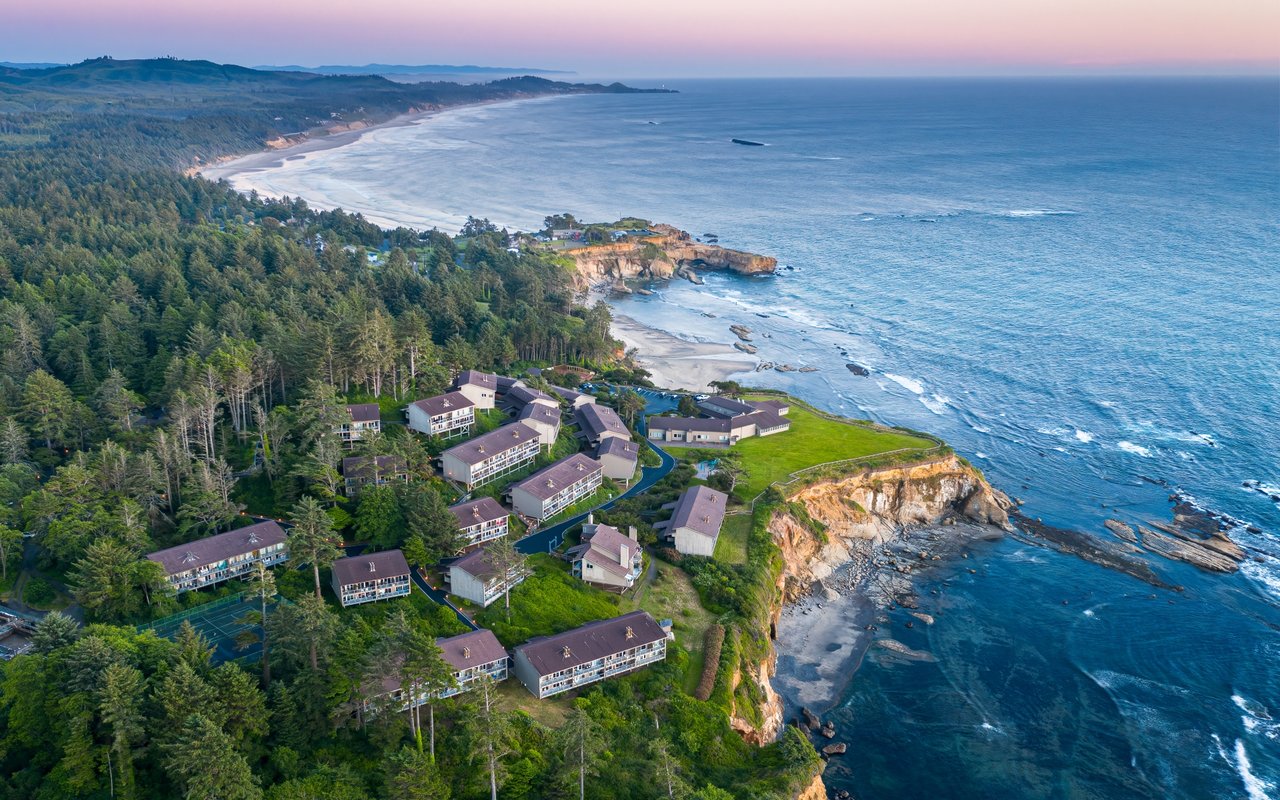
Otter Rock is a small, unincorporated coastal community in Lincoln County, located between Depoe Bay and Yaquina Head, according to Travel Oregon. That smaller scale is a big part of its appeal. Instead of feeling built around dense commercial activity, the area is shaped by open ocean views, public shoreline access, and natural landmarks.
You feel that right away in the landscape. Otter Crest State Scenic Viewpoint rises about 500 feet above the ocean and offers sweeping coastal views, while Devil’s Punchbowl anchors much of the local visitor experience. In practical terms, Otter Rock often feels more like a scenic coastal base camp than a conventional beach town.
Surf Culture Shapes Daily Life
One of Otter Rock’s strongest lifestyle draws is its connection to surfing. Travel Oregon highlights Otter Rock as one of the central Oregon coast’s best-known beginner surf areas and notes that it is popular for lessons and dawn patrol sessions.
That matters whether you surf every week or just like living near that energy. In Otter Rock, the ocean is not background scenery. It becomes part of your routine, from checking conditions in the morning to timing beach walks around the tides and weather.
For some buyers, living near the break means easy access and a stronger connection to the water. For others, the better fit may be a home slightly removed from the busiest access points while still keeping the shoreline close. That balance between convenience and privacy is often central to how people experience Otter Rock.
Outdoor Living Goes Beyond Surfing
Surfing may get the attention, but the outdoor lifestyle here is broader than that. The Otter Rock Marine Reserve is accessible through Devils Punchbowl State Natural Area, where you can explore tidepools, view seals hauled out on rocks, and walk the beach.
The reserve is Oregon’s smallest marine reserve at 1.2 square miles, and it is protected from take and ocean development. That protected setting helps preserve the quiet, nature-forward character many buyers are looking for when they picture a slower coastal rhythm.
Whale watching is also part of the local experience. Oregon State Parks notes that Devil’s Punchbowl is a popular whale-watching site, and Otter Crest also offers clear views of the Punchbowl and surrounding coastline. In daily life, that means even simple outings can feel memorable, whether you are stopping for a view, taking a short walk, or watching weather roll in from a headland.
Landmark Access Adds Lifestyle Value
Otter Rock benefits from being close to some of the Oregon Coast’s most recognizable natural destinations. Devil’s Punchbowl is the visual centerpiece, especially in winter when surf drives into the hollow rock formation. It is also a popular picnic, tidepool, and sightseeing destination, according to Oregon State Parks.
That shared access is part of the tradeoff of living here. The same landmarks that make the area special also draw steady visitor traffic, and the park notes that parking is limited to marked stalls and requires a day-use permit.
Nearby Yaquina Head Outstanding Natural Area adds even more outdoor appeal with dramatic cliffs, hiking, wildlife viewing, tide pools, and the historic lighthouse. The Yaquina Head Lighthouse is Oregon’s tallest lighthouse, which reinforces the area’s classic headland-and-horizon identity.
What Year-Round Living Really Looks Like
Otter Rock’s coastal beauty comes with real weather patterns that shape how you live. Nearby Newport climate normals from NOAA show an annual average temperature of 50.6°F and annual precipitation of 67.27 inches. Winter average temperatures hover around 50.7°F for highs and 39.2°F for lows, while summer daily normals only reach the low to mid-60s.
That means coastal living here is not about heat. It is about layers, rain gear, durable materials, and homes that function well in wind and moisture. If you are moving from a warmer or drier climate, this is one of the biggest practical shifts to understand.
The seasonal rhythm can also change how you use your home. Covered outdoor spaces, practical entry areas, and good storage for wet gear often matter more than large heat-driven outdoor living areas. In Otter Rock, comfort is closely tied to how well a home supports the local climate.
Safety and Site Position Matter
For many buyers, location in Otter Rock is not only about views and access. It is also about topography and preparedness. DOGAMI’s coastal hazard analysis says Otter Rock, Newport, and Depoe Bay have relatively few people in tsunami zones because they are largely perched on marine terraces, while also stressing that every coastal community should prepare for Cascadia earthquake and tsunami scenarios.
That makes higher ground and quick evacuation access important considerations when evaluating a property. It does not mean every home follows the same rule, but it does reinforce why site position matters on the coast.
In real-life terms, many buyers are drawn to homes that combine elevation, practical access, and a sense of shelter. A property can still feel very connected to the ocean without sitting in the busiest or most exposed location.
What Home Features Fit Otter Rock Best
Because Otter Rock is shaped by weather, terrain, and shoreline access, some home features tend to align especially well with the lifestyle. Based on the local climate, park access patterns, and hazard context, buyers often gravitate toward homes that support both enjoyment and resilience.
Features that may fit well include:
- Easy access to higher ground or terrace locations
- Practical parking for residents and guests
- Entry areas, mudrooms, or gear storage for wetsuits, boots, and jackets
- Durable finishes that can handle moisture and wind
- Ocean-view positions that still offer some shelter from exposure
- A location close to surf access without being directly tied to the busiest visitor parking zones
These are not hard rules, but they are useful lifestyle filters. The right fit depends on whether you value direct beach convenience, privacy, views, or lower-maintenance daily living.
Living Near the Break Versus Slightly Inland
One of the most useful ways to think about Otter Rock real estate is to compare two lifestyle patterns. Some buyers want to be as close to the surf as possible. Others prefer a slightly inland or elevated setting that still keeps the coast within easy reach.
Here is a simple comparison:
| Lifestyle Approach | Potential Benefits | Practical Considerations |
|---|---|---|
| Near surf access | Quicker beach trips, stronger connection to daily surf rhythm, easy morning access | More visitor activity, limited parking near popular landmarks, more exposure to coastal traffic patterns |
| Slightly inland or elevated | Added privacy, easier everyday living, possible shelter and access to higher ground | Less immediate walk-out surf convenience, may require a short drive or longer walk |
Neither option is better for everyone. The key is matching the property to how you actually want to live, not just how you picture a weekend visit.
Otter Rock Appeals to Lifestyle Buyers
For many buyers, Otter Rock stands out because it delivers a distinct coastal identity without feeling oversized or overbuilt. Its surf culture, public oceanfront, marine reserve access, and scenic landmarks are tightly clustered, which gives the community a strong sense of place.
That can be especially appealing if you are looking for a second home, a relocation property, or a full-time residence that feels connected to the outdoors. The appeal is not only the view. It is the rhythm of daily life around the coast.
If you are weighing options in Lincoln County, Otter Rock is worth a close look because it offers a very specific blend of scenery, access, and small-community character. The right property here is often the one that balances lifestyle goals with practical coastal realities.
If you want help evaluating homes in Otter Rock or comparing this community with other Lincoln County coastal areas, Audra Powell can help you narrow in on the right fit with local insight and thoughtful guidance.
FAQs
What is Otter Rock, Oregon known for?
- Otter Rock is known for beginner-friendly surfing, Devil’s Punchbowl, tidepools, whale watching, and scenic coastal viewpoints like Otter Crest State Scenic Viewpoint.
Is Otter Rock a good place for surf-focused coastal living?
- Otter Rock is well known as a beginner surf destination, and its close beach access and dawn patrol culture make it appealing if you want surfing to be part of your regular routine.
What is the climate like in Otter Rock, Oregon?
- The nearby Newport NOAA normals show a mild marine climate with cool summers, winter highs around 50.7°F, winter lows around 39.2°F, and about 67.27 inches of annual precipitation.
What should homebuyers consider about safety in Otter Rock?
- Buyers should pay attention to elevation, access to higher ground, and overall emergency preparedness because DOGAMI notes that all coastal communities should prepare for Cascadia earthquake and tsunami scenarios.
What kind of home works well for the Otter Rock lifestyle?
- Homes that often fit well include those with practical parking, gear storage, durable weather-ready finishes, and locations that balance ocean access, views, privacy, and resilience.
How does living near Devil’s Punchbowl affect daily life in Otter Rock?
- Living near Devil’s Punchbowl can offer excellent access to views, tidepools, and shoreline activity, but it can also mean sharing the area with visitor traffic and limited parking near major access points.