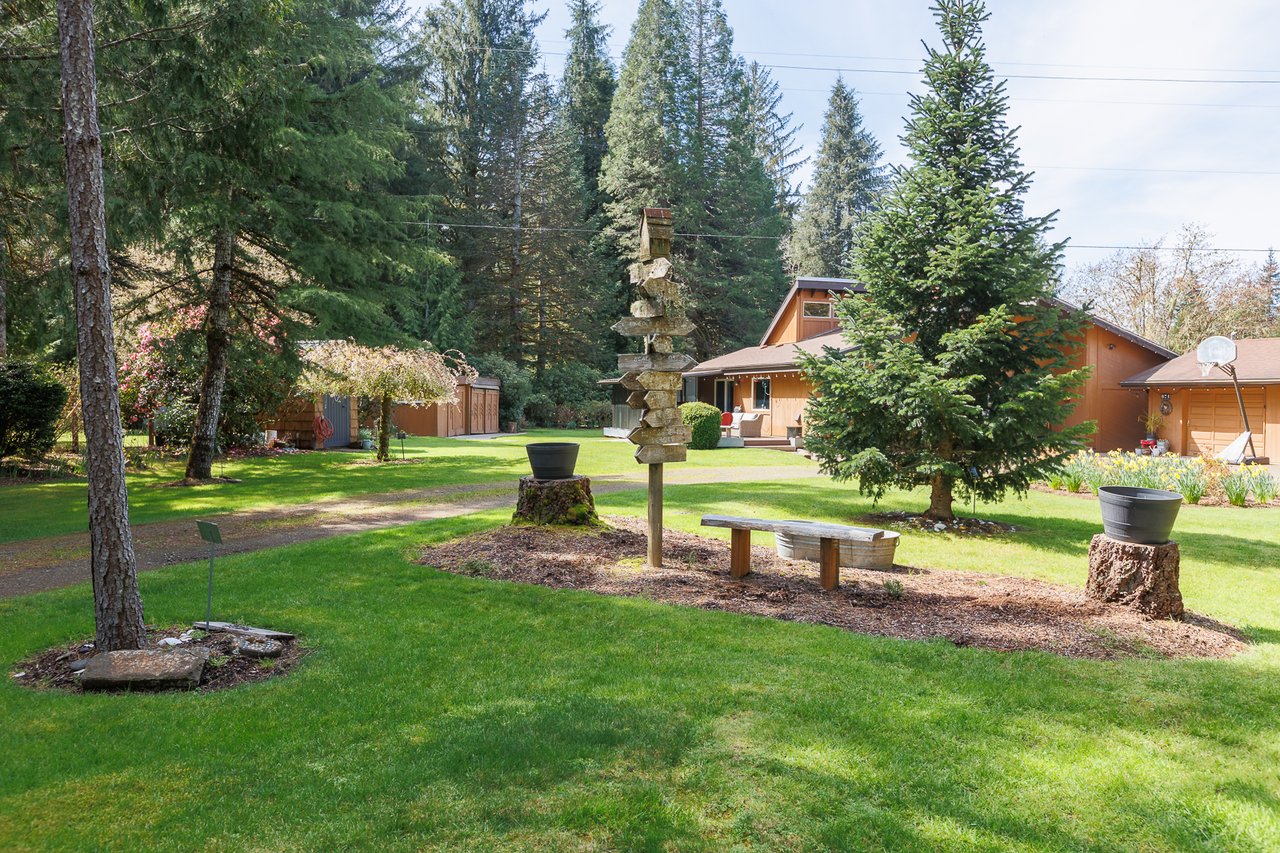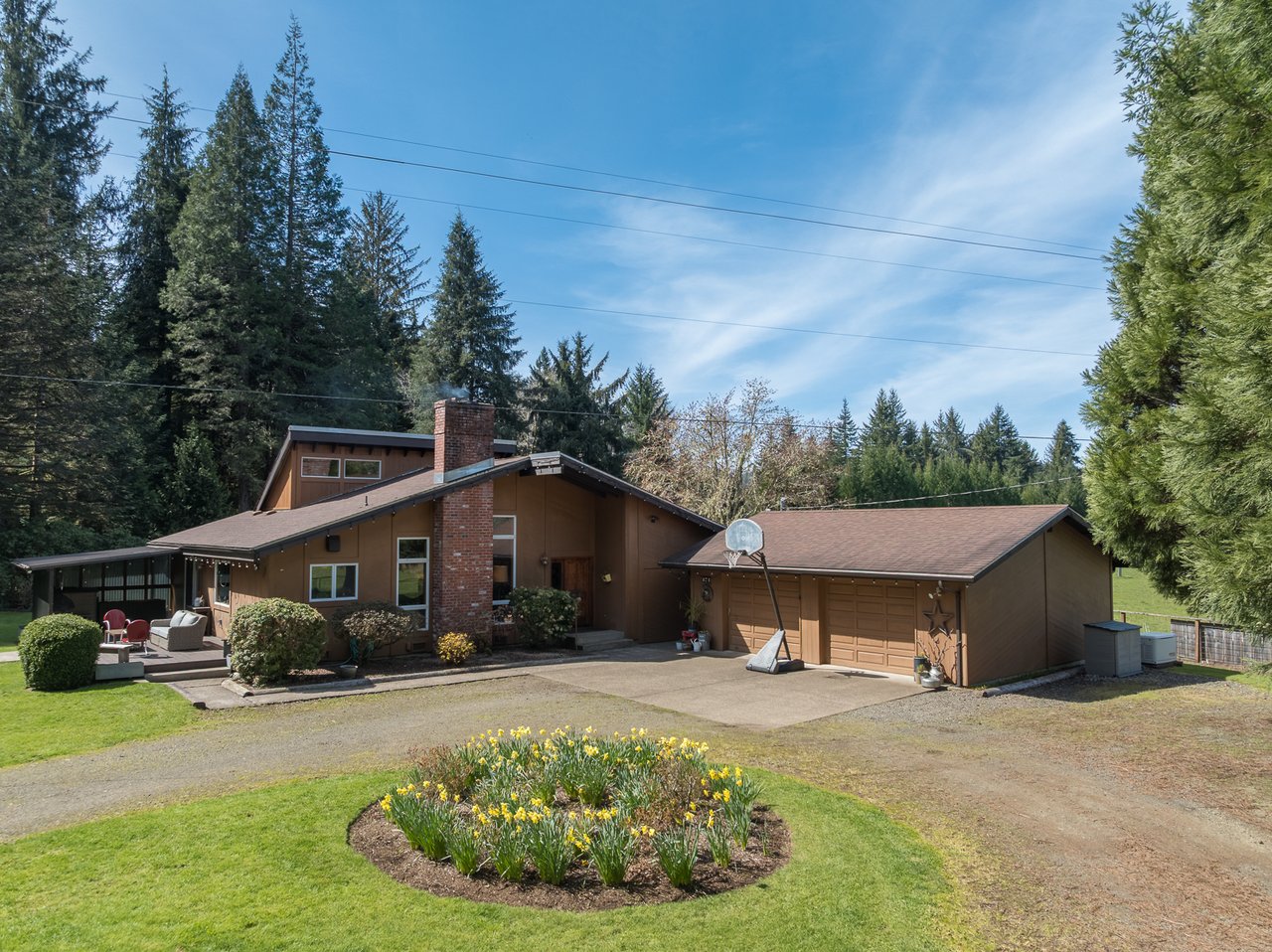
If you are dreaming about elbow room, a garden, and river access in Lincoln County, the Siletz and Logsden area likely belongs on your shortlist. This part of the county offers a mix of rural community living, valley properties, and river-oriented recreation that can feel very different from the more familiar oceanfront markets. If you are exploring homestead or river property here, the key is knowing how to match the lifestyle you want with the land, access, and county rules that shape what is actually possible. Let’s dive in.
Why Siletz and Logsden stand out
Siletz is an incorporated city in Lincoln County, and the surrounding area has a distinct identity tied to the Siletz River corridor. Local sources note the close connection between the city, the Siletz Reservation, and the Confederated Tribes of Siletz Indians, which play an important role in the community and regional character.
Logsden has a more rural setting. County materials describe it as rural Logsden, and it is closely connected with the Upper Siletz River and Moonshine Park. If you want a quieter setting with a stronger small-acreage or recreational feel, this area often appeals to buyers who value privacy, open space, and direct access to inland Lincoln County landscapes.
Lincoln County also has a temperate climate with a short but productive growing season. For buyers considering gardens, hobby farming, or a modest homestead setup, that is an important part of the appeal.
What “homestead property” often means here
In the Siletz and Logsden area, homestead-style property usually means rural or semi-rural land with enough room for practical outdoor use. That might include gardening, small-scale grazing, outbuildings where allowed, or simply having more separation from neighbors than you would find in denser coastal neighborhoods.
County land-use materials help explain why this pattern shows up here. Forest lands make up nearly 90 percent of Lincoln County, while agricultural lands are concentrated along river and creek valleys and are mainly used for grazing and small gardens, with some commercial agriculture. Dispersed residential areas are generally found on valley floors and similar rural sites where on-site water and sewer solutions are often part of the equation.
That means two properties that look similar online can function very differently in real life. One parcel may support your plans with the right zoning and site conditions, while another may have limits that affect building, septic, or water access.
River lifestyle is a real draw
For many buyers, the Siletz River is the biggest reason to look here. The river has a strong public access network, which adds lifestyle value even if a property does not sit directly on the water.
The Oregon State Marine Board lists multiple open access sites on the Siletz River, including Alder Island Paddler Access, Ichwhit Park, Strome Park, Jack Morgan Park, Ojalla Bridge Slide, Old Mill Park, Hee Hee Illahee, Twin Bridges, and Moonshine Boat Ramp. Lincoln County also notes that most county parks and campgrounds are inland, ranging from simple launch and picnic areas to more developed day-use and overnight facilities.
If you enjoy fishing, paddling, boating, or simply spending time near the river, that network matters. It gives you more ways to enjoy the corridor without assuming that every river-adjacent property includes usable private access.
Key parks to know
A few parks stand out if you are trying to picture daily life around Siletz and Logsden:
- Moonshine Park is a 78-acre county park on the Upper Siletz River in rural Logsden. It includes 36 camping sites, potable water, restrooms, and showers.
- Strome Landing Park sits near the upper end of the tidal-influenced stretch of the river and offers a boat ramp that is accessible at all river heights, along with trailer parking, restrooms, fishing access, and calm-water kayaking.
- A.W. Jack Morgan Park combines a concrete river ramp with camping near Hough Creek.
- Twin Bridges Park offers an asphalt launch, trailer parking, and bank access for fishing and paddling.
- Barbara and Walter Brown Memorial Park includes more than 3,500 feet of river frontage and is described by the county as a reforested homestead farm.
These amenities can add a lot to the ownership experience, especially if you want a rural property that still keeps recreation close at hand.
Know the zoning before you fall in love
This is the most important practical step for buyers. Lincoln County says all land in the county is zoned, and buyers should confirm the specific zone and allowed uses before buying or building.
That sounds simple, but it has major real-world consequences. If you are picturing a house, guest space, garden area, workshop, or animal use, the county zoning and development standards need to support that plan. A beautiful piece of land is only a good fit if it aligns with how you want to use it.
Lincoln County’s Planning & Development department handles zoning, building permits, floodplain management, and on-site sewage disposal. For rural property in particular, checking these items early can save you time, money, and disappointment.
Lot size and service limits matter
In parts of rural Lincoln County that are not served by public or community water or sewer, subdivision standards require at least 2 acres per dwelling unit. That does not mean every 2-acre parcel will automatically work for every plan, but it does show how strongly utilities and site services shape rural development.
In this area, buyers should expect many properties to rely on individual systems rather than urban-style infrastructure. That is part of the appeal for some buyers, but it also means due diligence matters more.
Water and septic deserve extra attention
Most rural parts of Lincoln County are not served by community sewer. County guidance says sewage disposal is usually handled by individual on-site systems, which makes septic feasibility a major part of any purchase decision.
Water is another key question. When a community water supply is not available, county rules require the proposed domestic water source to be identified, and that source may be a spring, well, or another approved supply.
For buyers, the practical takeaway is clear:
- Confirm whether the property has an existing septic system, approved septic site, or unresolved septic questions.
- Verify the water source and whether it is already developed or still needs additional work.
- Ask how current use aligns with county approvals, especially if structures or improvements were added over time.
These checks are especially important for relocators and second-home buyers who may be more familiar with city utilities than rural property systems.
River frontage is not the same as river access
This is one of the easiest mistakes to make when shopping for lifestyle property. A parcel may offer river views or sit near the river corridor without giving you practical, legal access to the water.
Oregon’s public-waterway rules allow use of the beds and banks of Oregon-owned waterways to the line of ordinary high water, but crossing private land still requires permission. In other words, nearby water and legal water access are not the same thing.
When you look at river property, ask very direct questions:
- Does the parcel include legal access to the river?
- Is access improved, informal, shared, or seasonal?
- Are there easements or neighboring ownership issues that affect how you reach the water?
- Would nearby public access points better support the lifestyle you want?
Sometimes a home close to a strong public launch or park is the better fit than a parcel marketed as riverfront with limited usable access.
Floodplain and fire questions matter
River-oriented property can be beautiful, but site risk needs to be part of your search. Lincoln County provides floodplain resources, and buyers should verify whether a parcel sits in a mapped floodplain or has development constraints tied to flood conditions.
Wildfire is another issue to review, especially where forestland classification may apply. County materials note that forestland status can affect fire protection responsibilities and assessments, so buyers should understand how a property is classified and what that means for ownership costs and maintenance.
This is one of those areas where local guidance matters. A careful review of maps, permits, and county records can help you avoid surprises after closing.
Current access conditions to watch
If your search includes river recreation or parcels near key parks, road access deserves special attention right now. As of May 31, 2026, Oregon Highway 229 remains closed between mileposts 14 and 15 following the Dec. 12, 2025 landslide.
Lincoln County says this closure affects access to parks along the highway. Jack Morgan Park currently requires access from the south side through Siletz, and Brown Memorial Park is closed for the 2026 summer camping season while improvements continue and can only be accessed from the north from Lincoln City.
This may not change whether a property is worth buying, but it can affect your travel patterns, recreation plans, and how you evaluate convenience in the short term.
What smart buyers should do first
If you are serious about buying a homestead or river property around Siletz or Logsden, start with a practical checklist before you focus too much on finishes or scenery.
Buyer checklist for Siletz and Logsden
- Confirm zoning and allowed uses with Lincoln County.
- Verify whether the parcel is in a floodplain.
- Review septic status and on-site sewage requirements.
- Identify the domestic water source.
- Confirm legal access to the property and, if relevant, to the river.
- Check current road and park access conditions in the corridor.
- Ask whether forestland classification affects the property.
A thoughtful search can help you find a property that supports the lifestyle you want without creating avoidable complications later.
Why local guidance helps here
Rural and river-oriented properties often require a more detailed review than a typical in-town purchase. Zoning, water, septic, access, and site conditions all shape value, usability, and long-term enjoyment.
That is why local, property-specific guidance matters so much in this part of Lincoln County. If you are exploring Siletz, Logsden, or other lifestyle properties across the county, working with someone who understands the local landscape can help you move with more clarity and confidence.
If you are considering a homestead, small-acreage retreat, or river-oriented property in Lincoln County, Audra Powell can help you evaluate the details that matter most and find a property that truly fits how you want to live.
FAQs
What makes Siletz and Logsden appealing for homestead buyers?
- Siletz and Logsden appeal to homestead-minded buyers because they offer rural settings, valley and river corridor properties, a productive growing season, and land-use patterns that support small gardens and other practical outdoor uses in parts of the area.
What should buyers verify before buying land in Siletz or Logsden?
- Buyers should verify zoning, allowed uses, floodplain status, septic feasibility, water source, legal access, and any forestland classification issues before moving forward.
Do riverfront properties around Siletz always include legal river access?
- No. A property may be near the river or have river views without providing legal or practical private access, so buyers should confirm access rights directly.
How does rural utility service affect property searches in Logsden?
- In rural Logsden and nearby areas, many properties are not served by community sewer or water, so buyers often need to evaluate on-site septic systems and water sources such as wells or springs.
What public river access points are available near Siletz and Logsden?
- Public access points on the Siletz River include locations such as Strome Park, Jack Morgan Park, Twin Bridges, Moonshine Boat Ramp, and several other listed launch and access sites on the river corridor.
Are there current road access issues affecting the Siletz River corridor?
- Yes. As of May 31, 2026, Oregon Highway 229 remains closed between mileposts 14 and 15, which affects access to some parks and travel patterns in the corridor.